• Login
Cart / £0.00
No Result
View All Result
  • Healthy Eating
    • Superfoods
  • Beauty
    • HairCare
    • Sexual Health
  • lntimate Health
    • Menstruation
    • Sexual Health
  • Fitness
    • Muscle Gain
    • Weight Loss
  • Family Care
    • Preventive Care
    • Reproductive Care
  • Astrology
  • More
    • Cultural Beliefs
    • funny jokes
    • Internet stories
  • Healthy Eating
    • Superfoods
  • Beauty
    • HairCare
    • Sexual Health
  • lntimate Health
    • Menstruation
    • Sexual Health
  • Fitness
    • Muscle Gain
    • Weight Loss
  • Family Care
    • Preventive Care
    • Reproductive Care
  • Astrology
  • More
    • Cultural Beliefs
    • funny jokes
    • Internet stories
No Result
View All Result
No Result
View All Result

Do antibiotics raise blood sugar levels? Find out the surprising answer and why it matters.

by QYO
19.06.2025
in Fitness
Share on FacebookShare on Twitter

Certain antibiotics can indeed raise blood sugar levels (hyperglycemia), although this effect is not universal and varies depending on the specific drug, dosage, duration of treatment, and individual patient factors.
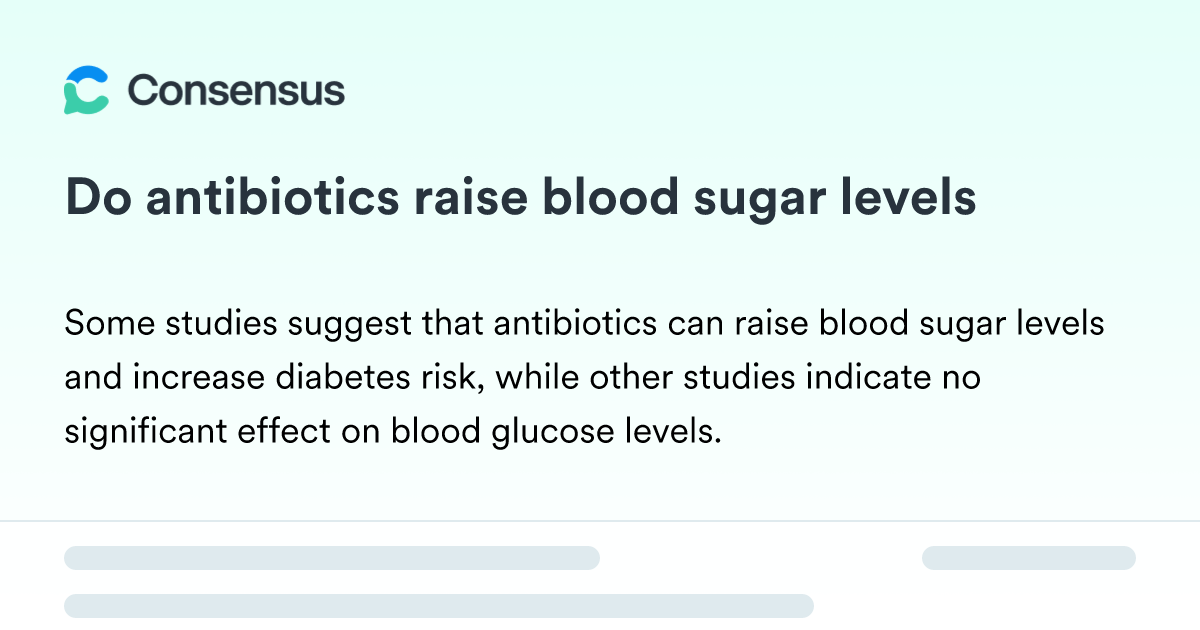
Do antibiotics raise blood sugar levels? Find out the surprising answer and why it matters.

Antibiotics Associated with Elevated Blood Sugar

  • Fluoroquinolones: This class of antibiotics (e.g., ciprofloxacin, levofloxacin, moxifloxacin) is most prominently linked to dysglycemia, meaning they can cause both significant increases and decreases in blood sugar. However, hyperglycemia, sometimes severe enough to require hospitalization, has been reported. The risk is often higher in older adults and individuals with pre-existing diabetes. The mechanism may involve alterations in insulin secretion from pancreatic beta cells and potentially insulin resistance.
  • Rifampin: This antibiotic, primarily used for tuberculosis and other infections, can accelerate the metabolism of certain oral antidiabetic medications (like sulfonylureas or metformin) by inducing liver enzymes (cytochrome P450 system). This reduces the effectiveness of these diabetes drugs, potentially leading to secondary hyperglycemia.
  • Some Macrolides: There is some evidence suggesting that certain macrolide antibiotics (e.g., clarithromycin) might modestly increase blood sugar in susceptible individuals. The mechanisms are not fully clear but could involve effects on glucose metabolism or insulin secretion/sensitivity.
  • Sulfonamides (less commonly for hyperglycemia): While more commonly associated with lowering blood sugar (hypoglycemia), particularly sulfamethoxazole (often combined with trimethoprim), there are rare reports of hyperglycemia. This is not their typical effect on glucose.
  • Dapsone: Similar to sulfonamides, dapsone is more often linked with hypoglycemia, but dysglycemia, including hyperglycemia, has been occasionally noted.

It’s also important to consider that severe infections themselves can cause a stress response in the body, leading to temporary increases in blood sugar levels, independent of the antibiotic used.

Key Considerations and Risk Factors

  • Pre-existing Diabetes: Individuals with type 1 or type 2 diabetes are at a significantly higher risk of experiencing antibiotic-induced hyperglycemia.
  • Renal Impairment: Reduced kidney function can affect the clearance of some antibiotics and their metabolites, potentially increasing the risk of adverse effects, including blood sugar disturbances.
  • Concomitant Medications: Interactions with other medications, especially corticosteroids (which strongly raise blood sugar) or diabetes medications, can profoundly influence blood glucose levels.
  • Age: Elderly patients may be more susceptible to drug-induced blood sugar changes.

Many other commonly used antibiotics, such as most penicillins (e.g., amoxicillin) and cephalosporins, generally have a low risk of causing significant hyperglycemia in most individuals. However, if you have diabetes or concerns about your blood sugar, it is crucial to discuss any new antibiotic prescription with your healthcare provider. They may recommend more frequent blood glucose monitoring during the course of treatment, especially if an antibiotic with a known risk of affecting blood sugar is necessary.


QYO

QYO

Related Posts

Best Breakfast for Muscle Gain and Weight Loss: 7 Power-Packed Meals to Build Lean Muscle, Burn Fat, and Fuel Your Morning Like a Pro
Healthy Eating

Best Breakfast for Muscle Gain and Weight Loss: 7 Power-Packed Meals to Build Lean Muscle, Burn Fat, and Fuel Your Morning Like a Pro

21.07.2025

If you’ve ever felt stuck between gaining muscle and losing fat, especially when it comes to breakfast, you’re not alone....

Best Breakfast for Weight Loss Over 40: 7 Smart Morning Meals That Fight Belly Fat, Balance Hormones, and Boost Energy Naturally
Healthy Eating

Best Breakfast for Weight Loss Over 40: 7 Smart Morning Meals That Fight Belly Fat, Balance Hormones, and Boost Energy Naturally

21.07.2025

1. Introduction – Why Breakfast Matters After 40 Turning 40 often brings changes: slower metabolism, shifting hormones, and stubborn belly...

Healthy Eating

What Is the Best Breakfast for Weight Loss? Discover 7 Simple, Delicious, and Effective Options to Kickstart Your Day

21.07.2025

Introduction: The Power of a Healthy Breakfast If you’ve ever struggled with weight loss, you probably know the importance of...

Introduction: Unlocking the Potential of Intermittent Fasting 16/8
Healthy Eating

Introduction: Unlocking the Potential of Intermittent Fasting 16/8

21.07.2025

If you’re reading this, you’ve likely heard the buzz surrounding intermittent fasting 16/8 and are eager to see how long...

How Long to See Results from 16/8 Intermittent Fasting? Your Realistic Timeline for Weight Loss and Health Benefits
Healthy Eating

How Long to See Results from 16/8 Intermittent Fasting? Your Realistic Timeline for Weight Loss and Health Benefits

22.07.2025

Introduction: The Search for Real Results in Intermittent Fasting If you’ve ever wondered how long to see results from 16/8...

Low Carb Intermittent Fasting 16/8 Results: Real Transformations, Timeline, and How to Maximize Your Success
Healthy Eating

Low Carb Intermittent Fasting 16/8 Results: Real Transformations, Timeline, and How to Maximize Your Success

21.07.2025

Introduction: Why Combining Low Carb with Intermittent Fasting 16/8 Is More Than Just a Trend If you’ve found yourself typing...

Next Post
Eat soy brans: Why? (Benefits)

Eat soy brans: Why? (Benefits)

Understanding Rotisserie Chicken No Skin Calories: Your Guide to Making a Healthier Choice.

Understanding Rotisserie Chicken No Skin Calories: Your Guide to Making a Healthier Choice.

What are the benefits of a standing calf raise machine? (Learn how it helps sculpt strong lower legs)

What are the benefits of a standing calf raise machine? (Learn how it helps sculpt strong lower legs)

Please login to join discussion
Women's Health Made Easy: 9 Expert Tips for Sexual Wellness & Self-Care

We bring you the best Premium WordPress Themes that perfect for news, magazine, personal blog, etc. Check our landing page for details.

Read more

    Go to the Customizer > JNews : Social, Like & View > Instagram Feed Setting, to connect your Instagram account.
  • Healthy Eating
  • Beauty
  • lntimate Health
  • Fitness
  • Family Care
  • Astrology
  • More

© 2026 JNews - Premium WordPress news & magazine theme by Jegtheme.

No Result
View All Result
  • Healthy Eating
    • Superfoods
  • Beauty
    • HairCare
    • Sexual Health
  • lntimate Health
    • Menstruation
    • Sexual Health
  • Fitness
    • Muscle Gain
    • Weight Loss
  • Family Care
    • Preventive Care
    • Reproductive Care
  • Astrology
  • More
    • Cultural Beliefs
    • funny jokes
    • Internet stories

© 2026 JNews - Premium WordPress news & magazine theme by Jegtheme.

Welcome Back!

Login to your account below

Forgotten Password?

Retrieve your password

Please enter your username or email address to reset your password.

Log In